- When Computing Centers Face Failure: Why Future Infrastructure Demands “Industrial-Grade Reliability
-
Foreword
Complex systems can tolerate a single equipment failure, but they cannot tolerate that failure cascading throughout the system.
With the rapid advancement of artificial intelligence, global demand for computing power continues to rise, and large-scale data centers are becoming vital infrastructure supporting the digital economy.
However, the industry must also re-examine a critical question:
When an anomaly occurs in one part of the system, is the system robust enough to contain the impact?
This is a challenge the industrial sector has long addressed.
How can we ensure stable, continuous operation when a highly complex system is tasked with increasingly critical functions?
Within these complex systems lies a component that—while seemingly ordinary—performs vital tasks such as regulation, shut-off, isolation, and sealing: the valve.
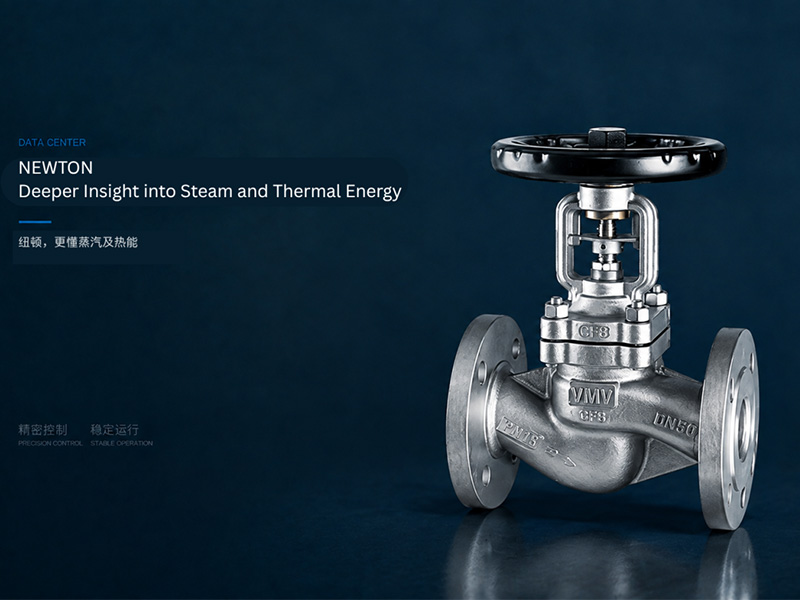
Zhejiang Newton Fluid Control Co., Ltd. has long specialized in industrial valve manufacturing, serving sectors characterized by continuous production, such as the chemical and energy industries. Its core products—control valves and bellows valves—are designed for long-term, uninterrupted operation, leak resistance, and durability.
Liquid cooling circulation systems in computing centers similarly require pipeline valves that operate stably without failure and prevent leaks that could cause downtime; their operational requirements align closely with those of traditional industrial production lines.
01 How Can a Single Valve Affect the Reliability of the Entire System?
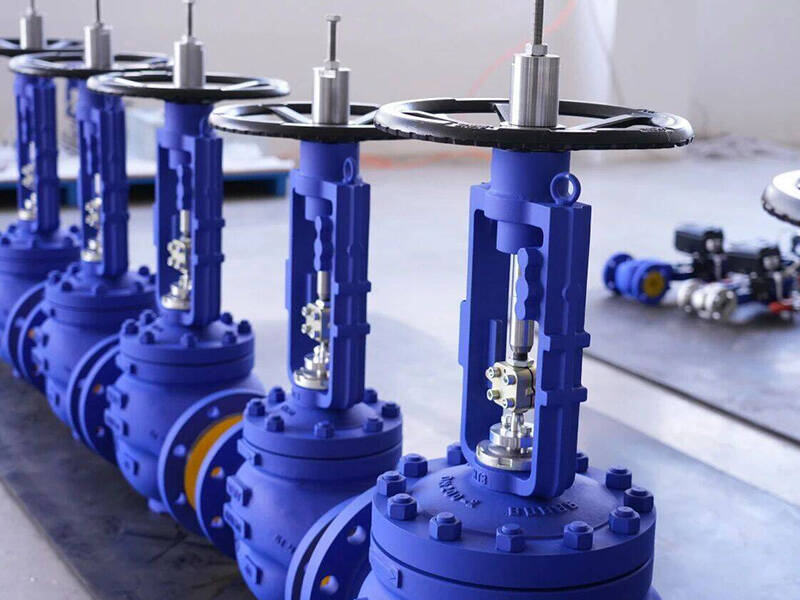
Valves perform various functions depending on the fluid system in which they operate.
- Regulation
When a system needs to control parameters such as flow rate or pressure, a control valve dynamically adjusts the flow of the medium by changing its opening degree.
This demands precise control and stable operation.
- Isolation
When equipment requires maintenance or a specific branch encounters an issue, the valve can shut off the corresponding pipeline, containing the impact of the failure to a localized area.
This requires reliable opening, closing, and sealing capabilities.
- Sealing
For media that are hazardous, corrosive, or sensitive to leakage, a valve must not only close effectively but also minimize the risk of external leakage during operation.
Therefore, a valve is far more than a simple pipeline accessory; it plays an integral role in the system’s operational control and risk isolation.
02 Ultimately, These Demands Rest on the Valve Itself
Precise control is a key component of reliable system operation.
When a system requires the adjustment of parameters such as flow rate or pressure based on operating conditions, the control valve dynamically regulates the medium flow by altering the valve plug opening.
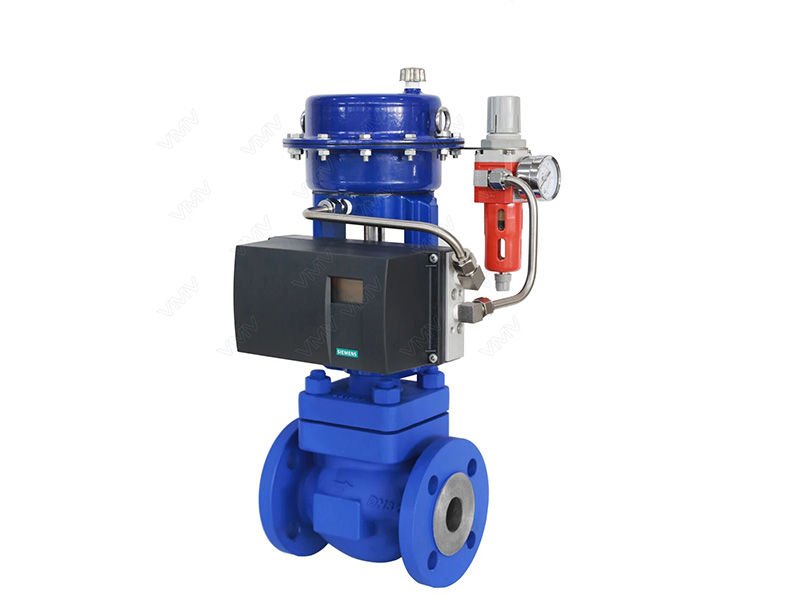
- Pneumatic Straight-Through Control Valve | Precision Fluid Control
- High stability under high differential pressure
- Durable sealing in high-temperature conditions
- High control precision and low leakage rates
- Long service life of packing
- Convenient and quick on-site maintenance
- Rapid response speed
- Diverse trim configurations to meet various customer operating requirements
Effective sealing serves as a critical line of defense for system safety.
When handling hazardous or corrosive media—or applications requiring strict leakage control—a valve must not only close securely but also minimize the risk of external leakage during operation.
The bellows sealing structure isolates the moving parts of the valve stem using a metal bellows, ensuring reliable sealing performance.
The bellows sealing structure isolates the moving parts of the valve stem using a metal bellows, ensuring reliable sealing performance.
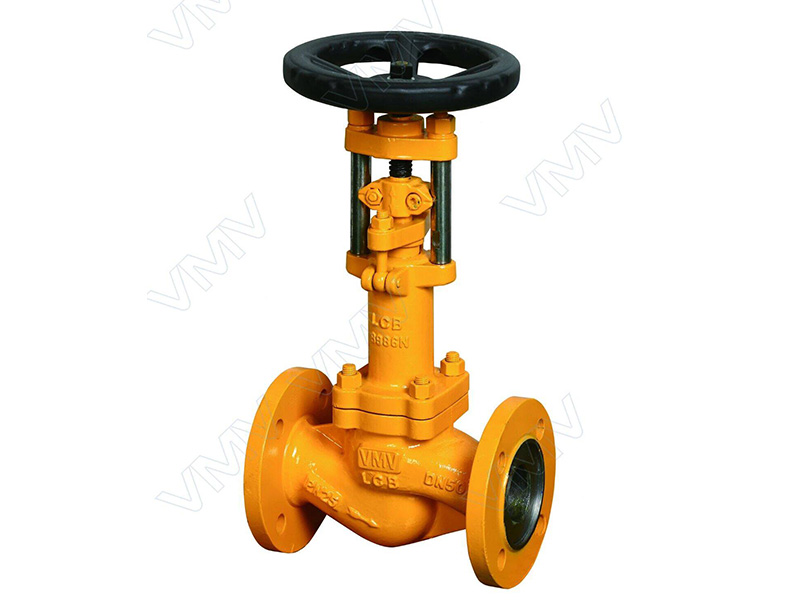
Newton Valves
- Dual sealing structure (bellows + packing) enhances operational safety.
- Double-layered bellows design prevents valve leakage caused by a single-layer failure, thereby extending the valve’s service life.
- Conical valve plug design creates a scraping effect upon closing, removing impurities from the sealing surface to ensure reliability and extend the lifespan of the sealing pair.
- The bellows assembly is housed within the bonnet cavity, shielding it from direct media impingement; the bellows expands and contracts axially with the stem, completely isolating the stem from the medium and preventing corrosion or erosion.
Thus, a valve is far more than a simple pipeline accessory; it plays an integral role in the operational control and risk isolation of the entire system.
03 Industrial-Grade Reliability: More Than Just a Slogan
A valve’s ability to perform critical control tasks over the long term ultimately depends on the product itself: its materials, structure, sealing, manufacturing, and testing.
Diverse operating conditions—such as high temperatures, high pressures, corrosive media, and long-cycle continuous operation—require specific material and structural designs. Meanwhile, machining precision, assembly quality, and rigorous testing determine whether the design can truly translate into stable, consistent product performance.
This capability is the result of Zhejiang Newton Fluid Control Co., Ltd.’s long-standing dedication to the industrial fluid control sector.
From precise regulation to reliable sealing, and from product design to manufacturing and testing,
Newton’s focus has never been merely on whether a valve functions, but on whether it can operate reliably over the long term within critical systems.
As new infrastructure continues to develop, fluid control technology will deliver value in an increasing number of critical applications. Newton Fluid Control will continue to leverage its expertise in industrial-grade reliability to provide stable, dependable support for vital systems.
Professional in Bellows Seal Valve Manufacturer | Since 1998